
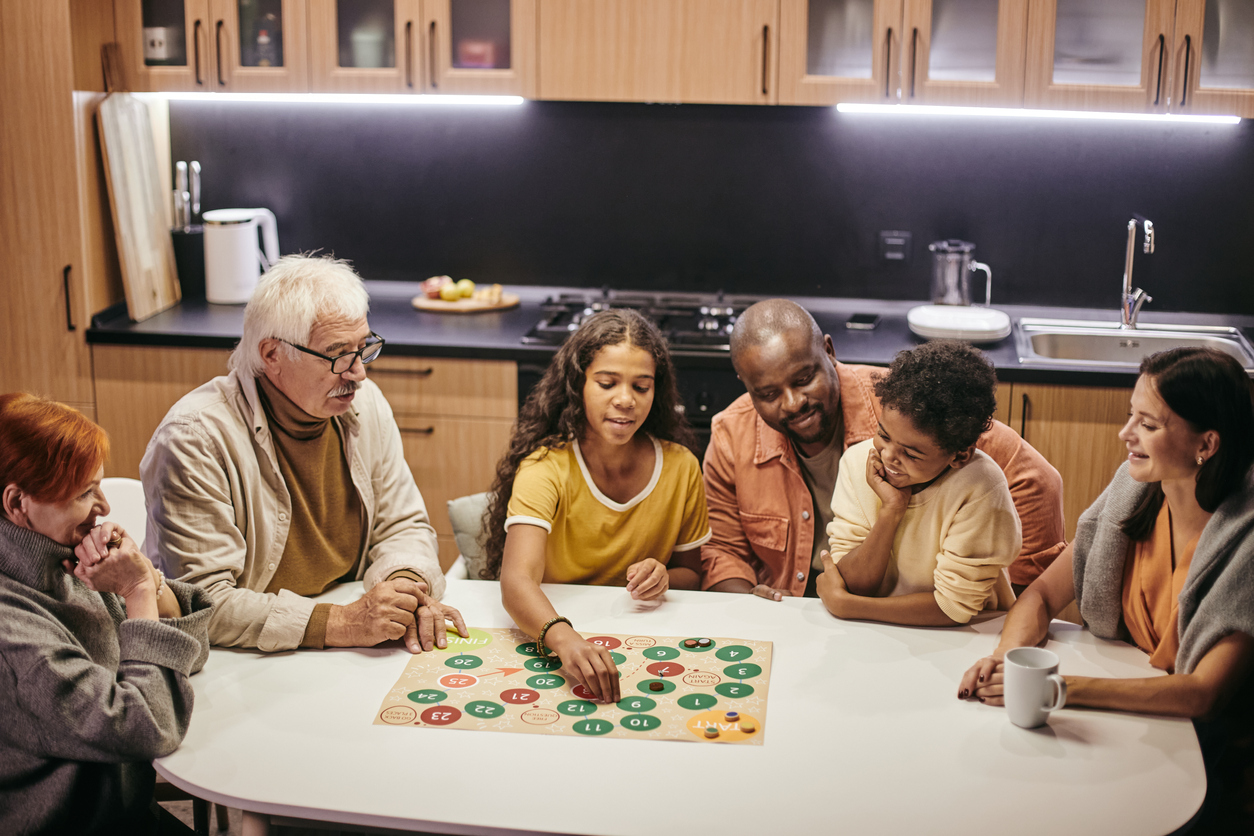

Shared Play As A Foundation For Family Connection
Arcade games provide an engaging space where families, regardless of age or experience, can gather side by side, each participating fully in the action. The communal nature of standing at an arcade cabinet—with parents, children, and even grandparents—fosters intergenerational moments as everyone works toward a shared goal. These joint play sessions often lead to spontaneous conversations, laughter, and teamwork that may not surface during other family activities. The physical interaction with buttons and joysticks offers an accessible and immediate form of fun, even for those unaccustomed to video games. Repeated family outings to arcades or at-home gaming sessions can become cherished rituals, encouraging anticipation and togetherness beyond the screen itself.
Cognitive And Motor Skills Developed Through Play
At first glance, many arcade games appear simple, but playing them can be a surprising mental workout. Quick reaction times, fast decision-making, and the ability to recognize repeating patterns are all skills regularly exercised during competitive or collaborative play. For children, these activities can complement their learning by encouraging focus and persistence, especially when faced with challenges in-game. Adults may also appreciate the subtle stimulation these games provide, such as processing visual cues quickly and coordinating movements with precision. Over time, regular exposure to these challenges can improve hand-eye coordination and support the development of adaptable strategies, all within an enjoyable context.
Teamwork, Communication, And Healthy Competition
Multiplayer arcade games naturally encourage families to communicate and work together, whether they are strategizing how to clear a level or dividing roles for maximum success. Siblings can learn how to balance offensive and defensive tactics, while parents can model effective problem-solving under pressure or provide constructive feedback following a mishap. When competitive games are played in a supportive environment that values respect and good sportsmanship, family members can practice both graceful winning and losing. Setting goals as a group and rotating teams helps maintain an inclusive atmosphere where everyone can participate, and skills developed through communication and teamwork can carry over into daily life.
Creating Meaningful Routines With Home Arcade Setups
With the resurgence of interest in both classic and modern arcade games, many families have introduced arcade cabinets into their own homes. Setting up a dedicated game area provides a focal point for regular gatherings—whether it’s for a lively game night, a special celebration, or just to unwind together after a long week. The diversity of games now available means families can continually discover new favorites without the need for multiple machines. Finding the right equipment—something that fits the space, offers game variety, and is easy for all ages to use—can be a rewarding process. Some families look to resources like arcadedad.com for advice, inspiration, or to explore the latest in home arcade setups. Keeping a machine accessible at home increases the chances of impromptu gaming sessions, further weaving arcade play into regular family life.
Practical Tips For Making Arcade Gaming Enriching For Everyone
Families interested in making the most of arcade experiences can start by agreeing on simple ground rules and routines. Some useful approaches include:
- Establishing time limits that fit into everyday schedules
- Taking turns choosing which games to play, so everyone’s preferences are respected
- Setting collective goals to encourage teamwork and shared enjoyment
- Discussing the highs and lows after play sessions, reinforcing positive communication
When planning trips to local arcades, involving children in decisions about budgeting or timing can foster a sense of responsibility. At home, adjusting game difficulty ensures younger players stay engaged while more advanced family members remain challenged. By intentionally making arcade gaming a communal activity rather than a solo pastime, families tap into the opportunity to nurture emotional bonds and practice patience and understanding in a fun, relaxed setting.