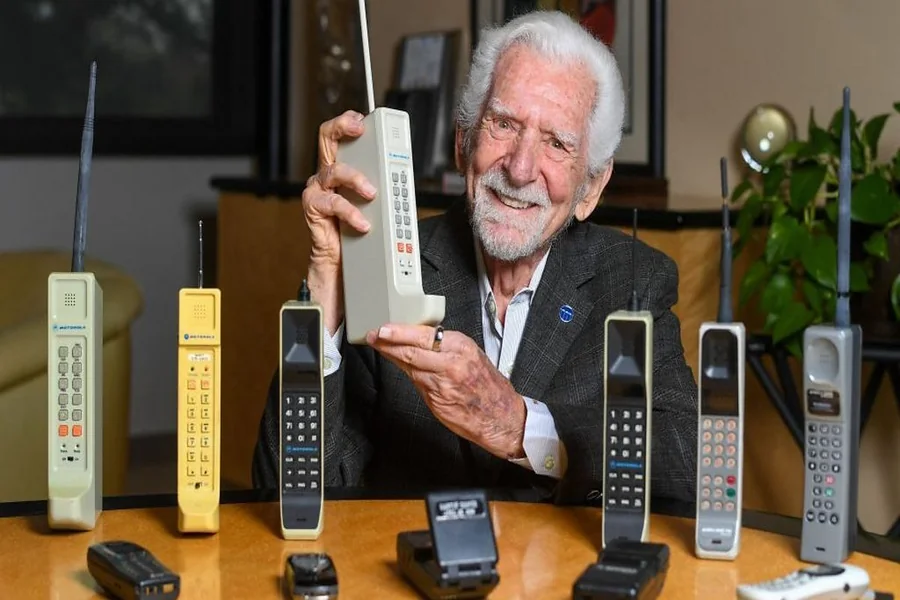
The predecessor of smartphone is the mobile devices that were in existence prior to the emergence of modern smartphones. These primitive machines formed the basis of the technology that we have today. They integrated the communication capabilities with few computing features and played a critical role in determining the future of mobile technology.
Prior to the smartphones, the devices were mainly associated with calling and messaging. Others had simple tools such as address book, calculators and calendar. The gadgets enabled individuals to handle personal data at the same time.
The predecessor of the smartphone is significant in the sense that it brought out the idea of mobile computing. Although it was not as functional as it is nowadays, it showed that mobile technology could be used in more than just communication.
Initial Mobile Gadgets and Characteristics
Early mobile products were either simple feature phones or high-flying PDA. Call based phones, texting phones and utility phones. They were miniature, mobile, and easy to use in day to day communication.
Another precursor of a smartphone was the Personal Digital Assistants or PDA. PDAs provided email support, address books, notes and calendars. Business people and students had a significant use of them.
Others were PDA with phone capability. These gadgets enabled users to talk at the same time they could control personal information. This combination preconditioned the development of smartphones.
Its predecessor the smartphone was usually limited in terms of its size of the screens, processing power as well as the operating system. Despite these shortcomings, they also brought in indispensable ideas in touchscreens, menus and mobile apps.
The Formation of the Smartphone Precursors and their Impact on Contemporary Gadgets
The predecessor of the smartphone impacted the contemporary mobile technology in a number of ways. The early devices brought the concept of a single portable device with a number of functions built into it. This is the main idea of all smartphones nowadays.
They also influenced the creation of the mobile operating systems. Some of the features such as contact management, calendar and email support became more advanced and effective systems on the new devices.
An early device connectivity affected the communication modes of smartphones. The pioneer mobile phones came with SMS, email services and less internet access, which were the standard in smart phones.
The smartphone predecessor also contributed to the designs of the present day through input methods. Virtual keyboards and multi-touch gestures were developed on the basis of physical keyboards, stylus input, and early touch screens.
Famous Smartphone Preference Models
There are some gadgets that are deemed as the forerunners of Smart Phones. IBM Simon in 1994 is the first smartphone that is widely considered. It was a gadget that used lump sum calling, faxing, emailing, and PDA.
Another device that had an impact was the Palm Pilot. It was an interactive PDA that had provision to connect to email and other communication devices. Its popularity proved the need in portable computer devices.
Before the smartphones, Nokia manufactured feature phones, which had high demand. There were models with internet connectivity, simple applications and simplified games and this demonstrated to the users that mobile gadgets were not only used to make calls.
BlackBerrys integrated keyboards and email capabilities and safe communication. They especially appealed to business users and led to the introduction of mobile productivity.
Smartphone Precursors are limited in such ways
Although the predecessors of smartphones came up with novel functions, they were constrained. The small screens made it difficult to navigate and type and the battery life was usually limited as a result of the hardware limitations.
The power processing was also low and this limited the kind of application that could be run. The devices were not always fast or responsive as compared to the current smartphones, which affected usability.
Another challenge was connectedness. The technology used in the early devices was limited to the internet and only basic network support. This was restricted communication and online service capabilities.
Software had tended to be proprietary, i.e. applications were confined to the manufacturer ecosystem. This limited the flexibility and made the usage of third-party apps widespread.
In spite of such shortcomings, the predecessor of the smartphone was a pivotal move towards the development of mobile technology. It demonstrated the possibility of multifunctional devices and influenced the development of innovations in the future.
What Smartphone Prototypes taught Me
Learning about the smartphone predecessor assists in learning about the development of the mobile. The initial devices focused on mobility, socialization, and individual efficiency, which are mandatory in contemporary smartphones.
The future devices were designed based on the needs of the users. The design and functionality of the current smartphones were affected by the demand to use bigger screens, improved connectivity, and additional applications.
These early devices brought about innovation in hardware and software. Smartphone predecessors had features such as touchscreens, mobile operating systems, and application ecosystems.
The idea of having various functions in a single device has stayed the same. The current smartphones are still based on these pioneer mobile phones.
Final Thought
The precursor to smartphones was crucial to the development of the smart phones that we have today. The introduction of early mobile phones, PDA, and hybrid devices came with some fundamental functions including messaging, calendar, email and basic applications. They had an impact in the operating systems, input mechanisms, connectivity as well as device configurations. These devices made a statement in the capabilities of mobile technology despite their constraints such as small screen and low processing power. The knowledge of the predecessor of the smartphone will give an insight into the level of advancement in the technology and the innovation that gave rise to the modern smartphones.
FAQs
What is a smartphone predecessor?
A smartphone predecessor is an early mobile device that combined communication features with basic computing functions before modern smartphones existed
Which devices are considered smartphone predecessors?
Devices like the IBM Simon, Palm Pilot, Nokia feature phones, and BlackBerry smartphones are considered key predecessors
How did smartphone predecessors influence modern devices?
They introduced multifunctionality, mobile operating systems, connectivity options, and input methods that shaped current smartphone designs
What were the limitations of smartphone predecessors?
Small screens, limited processing power, short battery life, and restricted software ecosystems were common limitations
Can studying smartphone predecessors help understand modern technology?
Yes, studying these devices provides insight into the evolution of mobile technology and the innovations that led to current smartphones
Did smartphone predecessors support internet access?
Some did, but connectivity was limited. Early devices offered basic browsing and email functionality
Why are devices like the IBM Simon important in smartphone history?
The IBM Simon is considered the first smartphone because it combined calling, faxing, email, and PDA functions in one device
How did user demand shape smartphone evolution?
User needs for larger screens, more apps, better connectivity, and multifunctionality influenced the design and features of modern smartphones