
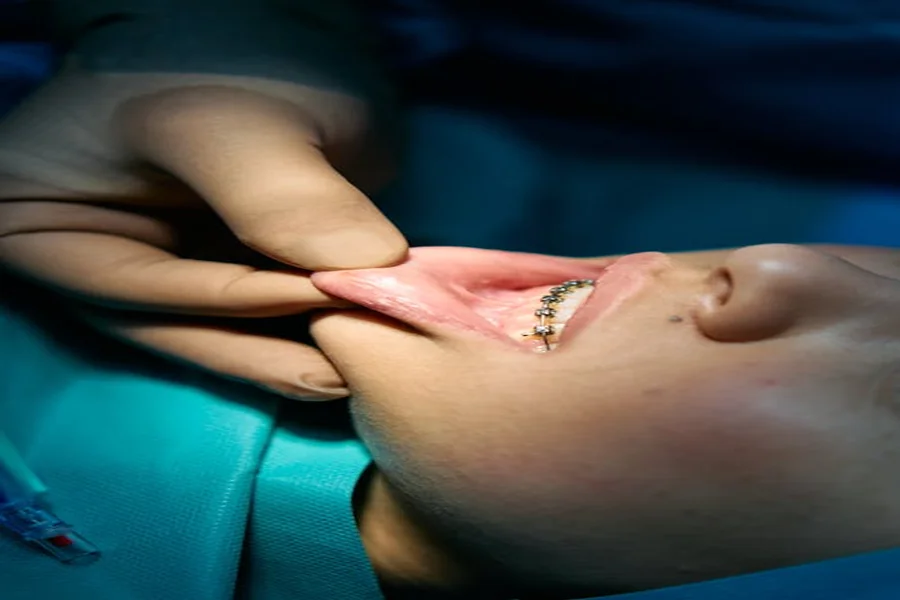

A properly aligned smile influences how teeth function under pressure, how speech forms in subtle patterns, plus how oral hygiene holds up over time. Misaligned teeth create tight spaces. Debris collects. Cleaning becomes inconsistent even with effort, leading to issues that extend beyond surface appearance.
Within modern clinical setups, braces Dubai treatments follow a structured approach driven by precise diagnostics, controlled adjustments, alongside continuous monitoring. Nothing moves without reason. Each stage is mapped before it begins, ensuring that alignment progresses in a measured, predictable manner without stressing surrounding bone or tissue.
Understanding Braces as a Treatment Solution
At a functional level, braces work by applying steady pressure that encourages teeth to shift gradually into corrected alignment. Bone adapts alongside this movement, allowing the structure to stabilize as changes occur. It is controlled movement. Not forced correction.
Through advanced imaging systems, clinicians assess spacing, crowding, along with bite relationships before initiating treatment. These insights form the foundation of the plan. Once in motion, every adjustment reflects those initial calculations, keeping the process aligned with biological response.
Types of Braces and Their Applications
Generally speaking, orthodontic appliances are based on the structure, habits, and outcomes of care. Metal braces are still a good option when it comes to complicated orthodontic procedures, especially when constant force is a prerequisite over a long period of time. Metal braces, as mentioned, act constantly without relying on patient compliance.
Clear aligners offer flexibility. Removable trays allow easier hygiene, yet demand discipline to remain effective. Ceramic options sit between these choices, offering reduced visibility while maintaining functional efficiency.
The Role of Clinical Expertise in Orthodontics
Behind visible alignment lies a deeper layer of evaluation that shapes outcomes. A qualified practitioner studies bite force distribution, jaw positioning, along with structural balance before recommending any treatment path. Small misjudgments here can affect the entire process.
During treatment, progress dictates decisions. Adjustments are not routine; they respond to real-time movement. Teeth do not always follow expected patterns, which is why ongoing evaluation remains critical.
Early Orthodontic Evaluation
At earlier stages, identifying irregularities simplifies intervention. Growth patterns can still be guided, reducing the need for complex correction later. Timing changes everything.
Personalized Treatment Planning
For each patient, planning shifts based on structure, spacing, plus bite interaction. No standard template applies. Precision comes from adapting every stage to individual requirements.
Patient Responsibility During Treatment
Without consistency, results slow down. Aligners left unworn disrupt progress. Braces neglected in care lead to complications that extend timelines.
Oral Hygiene During Braces Treatment
During active correction, hygiene becomes more demanding than usual. Brackets create additional surfaces where plaque accumulates easily, especially in areas that standard brushing cannot fully address. Neglect shows quickly.
It requires discipline. Alongside daily cleaning, regular check-ups ensure that oral conditions remain stable throughout treatment. Adjustments happen. Monitoring happens as well. This dual focus prevents minor issues from turning into disruptions that delay alignment.
Cleaning Around Braces Effectively
With the right tools, it becomes manageable. also Interdental brushes clean areas that are usually not accessible, while modified flossing techniques are used to maintain gum health. Consistency also protects the enamel.
Dietary Adjustments During Treatment
Certain foods interfere with appliances. Hard textures risk damage. Sticky substances disrupt positioning. Food choices influence progress directly.
Regular Monitoring and Adjustments
At each visit, movement is evaluated against expected progress. If deviation appears, changes are introduced immediately. This keeps treatment aligned with projections.
Why does one patient see steady improvement while another struggles with delays? Because consistency, biological response, along with adherence to instructions vary.
Pediatric Orthodontics and Early Intervention
For younger patients, orthodontic care focuses on guiding development rather than correcting fixed problems. Jaw growth remains active. Teeth are still shifting naturally. This creates an opportunity for early adjustment.
Within a structured dental care centre, pediatric orthodontics involves monitoring spacing, alignment, along with bite formation over time. Early guidance reduces complexity later, making treatment more manageable as the child grows.
Monitoring Growth Patterns in Children
Growth influences alignment continuously. Regular assessments help identify changes early, allowing timely intervention that supports natural development.
Gentle Treatment Approaches for Young Patients
For children, appliances are selected based on comfort alongside effectiveness. Treatment adapts to developmental stages, ensuring cooperation while maintaining results.
Building Positive Dental Habits Early
Introducing structured care early shapes long-term habits. Children become familiar with routines, reducing resistance during future treatments.
Life After Braces: Retention and Stability
Once braces are removed, retention becomes the next phase. Teeth do not remain fixed automatically. Surrounding tissues gradually pull them toward previous positions if unsupported.
Retention devices hold alignment in place. They are custom-fitted, designed for long-term use, plus essential for maintaining results. Skipping this phase leads to gradual shifting.
Importance of Retainers
Wearing retainers ensures stability. Even short gaps in usage allow movement to begin. Over time, these small shifts become visible.
Post-Treatment Adjustments
After appliance removal, minor refinements may still be required. These adjustments stabilize positioning, ensuring that alignment holds.
Maintaining Oral Health After Treatment
Aligned teeth improve function alongside hygiene. Maintaining that state requires continued care, not passive expectation.
Final Thoughts
What prevents teeth from drifting back months after braces come off, when structure is no longer actively guided and routines begin to loosen? The answer sits in consistent retention, continued monitoring, plus access to reliable clinical expertise that extends beyond active treatment. Queens Medical Center provides orthodontic care based on diagnostic accuracy, expertise, as well as a systematic approach that emphasizes stability over temporary correction. Anyone looking for a reliable orthodontic care solution may benefit from services such as kids braces. Queens Medical Center’s approach emphasizes controlled progression, evaluation, as well as long-term retention, ensuring a smooth transition from one step to another. Anyone looking for a reliable orthodontic care solution may benefit from services such as kids braces.